Anuj singh

Author name: Anuj Singh

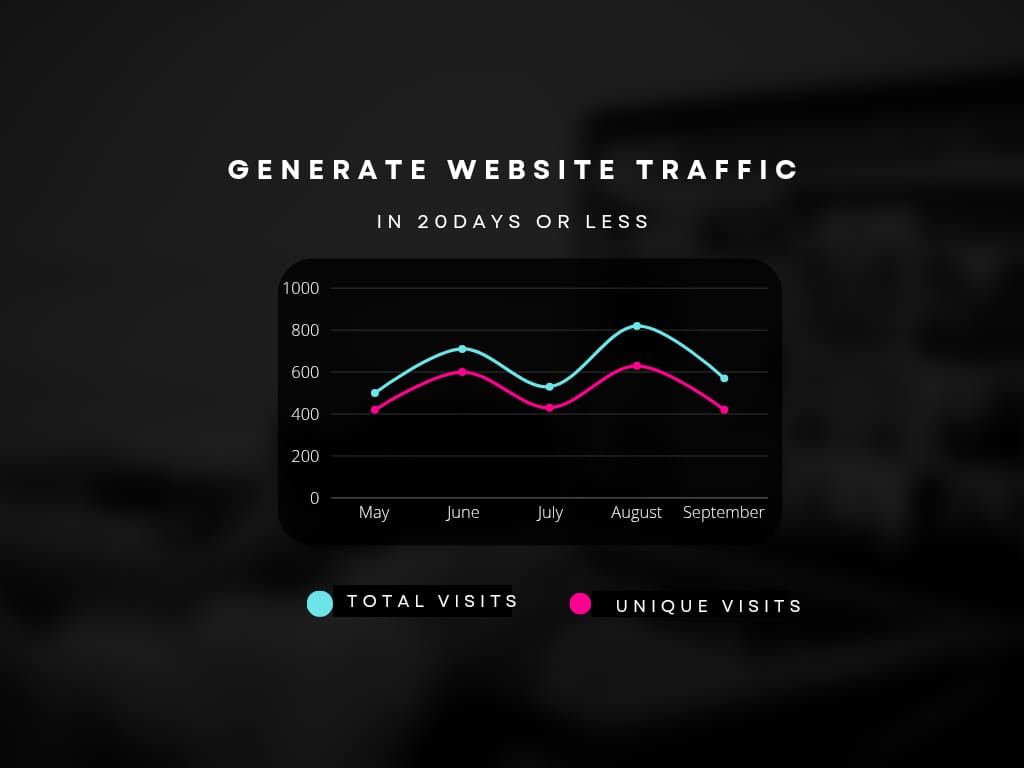
image showing how to generate traffic on website within 20 days or less in 2026
How to generate website traffic in 20 days or less

How to Generate Traffic on Website Within 20 Days or Less

If you have a website but no visitors, you are not single struggler. Most beginners struggle with the same problem — how to generate traffic on website fastly without spending money on ads. The good news is that you don’t need a big budget or advanced tools to start getting visitors. What you need is the right strategy, clear direction, and consistent efforts. In this article, you will learn practical and realistic methods to generate website traffic within 20 days or less. These methods focus on free and organic traffic, so even beginners can apply them easily. ⚠️ Note: This guide does not promise overnight success. Instead, it shows how to start getting visible traffic signals within 20 days, which later turn into long-term growth. Why Website Traffic Matters More Than Ever Website traffic is the base of online success. Whether you are dealing in a blog, business website, or app, traffic brings: Visibility Leads Sales Authority If you want to know the answer of how to rank website on Google. Traffic and user engagement play an important role. In 2026 and beyond, Google focuses more on helpful content, user intent, and experience, not just backlinks. Can You Really Get Traffic in 20 Days? Yes — but with the right expectations and consistency. In 20 days, you can get the best answer of how to generate traffic on website faster.. Get initial organic traffic Rank for long-tail keywords Start appearing in Google Search Console Build a base for future growth This is especially possible if you are targeting low-competition and informational keywords, which beginners usually  ignore. Step 1: Fix the Basics First (Day 1–3) Before trying to get traffic, make sure your website is ready. Basic SEO Checklist: Mobile-friendly design Fast loading speed HTTPS enabled Clean URL structure Proper H1, H2, H3 usage If your site is slow or poorly structured, even the best content won’t rank. This step helps Google trust your website. Step 2: How to Generate Traffic on Website Using the Right Keyword Strategy Many beginners fail because they target the wrong keywords.Instead of only focusing on big keywords, use a keyword cluster approach. Focus Keyword: how to generate traffic on website Secondary Keywords (Natural Use): how to get free traffic how to get free traffic for my website how to get free organic traffic how to get traffic to your website fast how to get free traffic on my website app LSI / Semantic Keywords: how to generate traffic on website in 2026 how to free traffic in India how to rank my website on Google These keywords help Google to understand the topic deeply and improve ranking chances to your website. Step 3: Create One Powerful, Helpful Blog Post Instead of publishing many low-quality articles, focus on one high-quality post that fully solves the user’s problem. Your content should: Answer real questions Use simple language Provide step-by-step guidance Be at least 1200–1500 words Google prefers depth and clarity, especially for informational content. Step 4: On-Page SEO Techniques to Generate Traffic on Website Faster To know the how to generate traffic on website you should work on On-page SEO,it  helps search engines understand your content. Key On-Page SEO Elements: Focus keyword in title and H1 Keywords naturally in first 100 words Internal linking Image alt text Short paragraphs and bullet points Avoid keyword stuffing. Google can detect unnatural usage easily. Step 5:How to Generate Traffic on Website with Google Search Console Google Search Console is a free tool and very powerful for beginners. What to Do: Submit your sitemap Check indexing status Analyze search queries Improve pages with impressions but low clicks This helps you understand how to rank your website on Google faster by improving existing content instead of creating new posts. Step 6: Use Social Media for Free Traffic Social media is one of the fastest ways to get visibility and traffic. Best Platforms for Free Traffic: Facebook groups LinkedIn posts Instagram reels Twitter/X threads Pinterest (for blogs) Share your content with value. Don’t just drop links. This helps you get traffic to your website fast, especially in the first 20 days. Step 7: Answer Questions on Forums and Q&A Sites People search for solutions daily on platforms like: Quora Reddit Facebook communities Find questions related to: website traffic blogging SEO digital marketing Give helpful answers and add your website link only when relevant. This method works well for how to get free traffic for my website queries. Step 8: Internal Linking for Quick SEO Boost Internal linking improves: Crawlability Page authority User engagement helps you understand how to rank your website on Google faster by Linking your new article to older posts and vice versa. This helps Google discover and rank pages faster. Step 9: Optimize for Mobile and App Traffic If you have a website app or mobile version, optimize it properly. To get free traffic on my website app, focus on: App indexing Mobile-friendly design Fast loading Clear navigation Mobile users are growing fastly, especially in India. This is a big opportunity for free traffic in India. Step 10: Build Trust, Not Just Traffic Traffic without trust won’t convert. Build trust by: Showing real experience Writing honest content Avoiding fake promises Updating old posts In 2026, Google rewards authentic and helpful websites more than aggressive SEO tactics. Common Mistakes to Avoid ❌ Expecting instant traffic❌ Targeting high-competition keywords❌ Ignoring user intent❌ Keyword stuffing❌ Copying content SEO is a long-term game. Shortcuts don’t work anymore. What Results to Expect in 20 Days? If done correctly, within 20 days you can expect: Indexing of pages First organic clicks Social traffic Improved impressions Better keyword visibility This creates a strong base for future growth. Final Thoughts Learning how to generate traffic on website is not about hacks. It’s about consistency, smart SEO, and value-driven content. By following the steps shared in this guide, you can start getting free organic traffic, even if your website is new. Whether you want to know how to

image showing 10 ways to increase high traffic on website
10 Ways to Increase Traffic on Website

10 Ways to Increase Traffic on Website

Driving to increase traffic on website is one of the biggest problem for bloggers, business owners, and digital marketers. You can choose the best design and great content, but without traffic, your website cannot grow. The good news is that generating website traffic is not about shortcuts — it’s about using the right strategies consistently. Below are 10 proven and practical ways to increase traffic on website, even if you’re just starting out. 1. Focus on High-Quality Content to increase traffic on website Content is the base of website traffic. Search engines like Google love content that is helpful, well-structured, and written for users — not just keywords. Instead of writing random articles, focus on: Solving real problems Answering user questions Writing in simple language Use your main keyword naturally in the title, headings, and content. Avoid keyword stuffing. One well-written article can bring traffic for years if it ranks well. 💡 Tip: Long-form content (1000+ words) usually performs better in search results. 2. Do Proper Keyword Research Keyword research helps you understand what people are searching for online. Targeting the right keywords can make a huge difference in traffic. Look for: Low competition keywords Long-tail keywords Question-based keywords Free tools like Google Keyword Planner, Google Search Console, and AnswerThePublic are great for beginners. When you target keywords that people are already searching for, traffic comes naturally. 3. Optimize On-Page SEO Properly On-page SEO helps to gain website traffic ,search engines understand your content better. Even great content won’t rank if on-page SEO is ignored. Key on-page elements include: SEO-friendly title and meta description Proper use of H1, H2, and H3 headings Internal linking Image alt text Fast page loading speed Small SEO improvements can lead to big traffic growth over time. 4. Use Social Media to increase traffic on website Social media platforms will improve traffice on website if used correctly. Sharing your content on the right platform helps you reach the right audience. Best platforms for traffic: Instagram & Facebook (visual + reels) LinkedIn (professional content) Pinterest (great for blogs) Twitter/X (quick updates) Don’t just post links — add value, write captions, and engage with comments. Consistency matters more than followers. 5. Build an Email List Early Email marketing is one of the best way to boost website traffic often ignored, but it’s one of the most reliable traffic sources. When someone subscribes to your email list, you can bring them back to your website anytime. Ways to build an email list: Free guides or checklists Newsletter signup forms Content upgrades Email traffic is high-quality because readers already trust you. 6. Improve Website Speed and Mobile Experience A slow website kills traffic. Users leave if your site takes more than a few seconds to load. To boost site traffic performance: Use a lightweight theme Compress images Enable caching Choose good hosting Also, make sure your website is mobile-friendly. Google prioritizes mobile-first indexing, so mobile optimization is a must. 8. Use Internal Linking Smartly Internal linking helps to incearse website traffic, both users and search engines navigate your website. Benefits of internal linking: Improves SEO Keeps users on your site longer Passes link authority Link related articles naturally within your content. This increases page views and reduces bounce rate. 9. Build Quality Backlinks Backlinks are still one of Google’s top ranking factors to get high website traffic on website. But quality matters more than quantity. Good backlink sources include: Guest blogging Blogger platforms Business listings Web 2.0 sites Relevant forums Avoid spammy links. One quality backlink is better than 50 low-quality ones. 10. Track, Analyze, and Improve You can’t grow traffic if you don’t track performance. Use tools like: Google Analytics Google Search Console Analyze: Which pages get the most traffic Which keywords bring visitors Where users drop off Use this data to improve existing content instead of always creating new posts. Final Thoughts Generating high traffic on a website is not magic — it’s a process. Focus on quality content, SEO, consistency, and user experience. Results may take time, but they are long-lasting. If you apply these 10 proven strategies, your website traffic will grow steadily and organically. Remember, traffic follows value. When you help users, search engines reward you.

Artificial intelligence

Artificial Intelligence(Ai): Meaning, Benefits, Chatbots, and How AI Is Transforming Business

While working on digital marketing projects, I personally use Artificial intelligence(AI) tools like ChatGPT for content ideas and keyword research, which saves hours of manual work. Artificial intelligence is no longer a futuristic concept; it is already shaping how we live, work, and conduct business. AI chatbots that fastly respond to customer inquiries to advanced systems that analyze large volumes of data, AI has become a base part of modern technology. In this article  guide, you will learn what AI truly means, its main benefits, how AI chatbots like ChatGPT works, and why incorporating AI into business is becoming importance. Whether you are a beginner want  to understand AI or a professional interested in its real-world applications, this content will provide you with a clear and practical understanding knowledge What Is Artificial Intelligence?. Artificial intelligence (AI) refers to the capability of machines and computer systems to perform work that basically  require human intelligence. These works include learning, reasoning, problem-solving, understanding language, and decisions making. In simple words, AI makes machines to think and act intelligently. Rather than solely following fixed rules, AI systems can analyze data, learn from patterns, and improve their performance over the  time. Below  are some everyday examples of AI: – Voice assistants like Alexa and Google Assistant Recommendation systems on platforms like YouTube and Netflix AI chatbots available on websites and apps  Fraud or mistakes detection in banking AI is not about completely replacing humans; –it aims to increase human capabilities. Types of Artificial Intelligence To understand AI in better way, this helps to know its main types 1. Narrow AI (Weak AI): This type of AI is designed to work a specific task. Most AI systems nowadays comes  into this type of category. Examples: AI ChatGPT Image recognition software AI chatbots for customer support 2. General AI (Strong AI): General AI refers to machines that can able  think and learn like humans across multiple works. This type of AI does not yet exist but it is an active area of research. 3. Super AI: This is a theory concept in which AI surpasses human intelligence. It remains a topic of debate and future speculation. Benefits of Artificial Intelligence The benefits of Ai are one of the main reasons thatawhy it is being  adopted by across industries. Below are some of the most important benefits: 1. Automation of Repetitive Tasks AI can automate repetitive and time-consuming tasks, allowing humans to focus on creative and strategic work. 2. Improved Accuracy and Efficiency AI systems reduce human mistakes  by analyzing data with high clarity. This is especially useful in healthcare, finance, and manufacturing sectors. 3. Better Decision-Making To processing large numbers  of data quickly, artificial intelligence helps businesses and individuals make informed decisions. 4. Cost Savings Although AI implementation may require an initial investment, it significantly reduces long-term operational costs. 5. 24/7 Availability AI chatbots and automated systems can work all the time without fatigue, improving productivity and customer experience. AI Chatbot: How Artificial Intelligence Talks Like Humans An AI chatbot is one of the most popular work of AI today. These chatbots use natural or normal language processing (NLP) to understand user queries and respond in a human-like way. How AI Chatbots Work AI chatbots analyze user input, identify intent, and generate relevant responses using machine learning models. Over time, they improve by learning from conversations. Uses of Artificial Intelligence Chatbots Customer support Lead generation Online shopping assistance Education and learning Businesses uses AI chatbots because they provide instant responses and reduce workload on human teams. AI ChatGPT: A Powerful Example of Artificial Intelligence AI ChatGPT is a  very well example of how advanced Ai has become. It can answer questions, write content, explain concepts, and even help with coding. Why AI ChatGPT Is Popular? To Understands context better than traditional bots To Generates human-like responses To Helps with learning, writing, and problem-solving AI ChatGPT shows how Ai can act as a productivity friend rather than just a tool. Artificial Intelligence in Business Artificial intelligence in business is changing how companies works , market, and grow. From startups to large company, AI is used by company used to gain a competitive advantage. Key Applications of AI in Business 1. Marketing and Sales Artificial intelligence in  businesses analyze customer behavior, personalize ads, and its improve conversion rates. 2. Customer Support AI chatbots handle thousands of customer questions  instantly, improving satisfaction and reducing response time. 3. Data Analysis Ai can process large datasets and uncover insights that humans might miss. 4. Human Resources AI is used for resume screening, employee engagement analysis, and performing prediction. 5. Supply Chain Management AI improves demand forecasting, inventory management, and logistics planning. Artificial intelligence in  businesse helps to work smarter, not harder. Learn Artificial Intelligence: Where Beginners Should Start If you want to learn artificial intelligence, the good news is that you don’t need to be a genius programmer to do started. Steps to Learn Artificial Intelligence 1.Understand the Basics Learn concepts like machine learning, deep learn artificial intelligence, and neural networks. 2. Learn Programming Python is the most popular language for Ai. 3. Take Online Courses Platforms like Coursera, Udemy, and edX offer beginner-friendly AI courses. 4. Practice with Tools Use AI tools, experiment with AI ChatGPT, and work on small projects. 5. Follow Real-World Use Cases Study how Ai in business and technology is applied. Consistency and curiosity are key when learning AI Ai Chat and the Future of Communication Artificial intelligence chat systems are finding in new way that  how humans interact with technology. From chatbots to virtual assistants, AI-powered conversations are becoming more natural and meaningful. In the future, artificial intelligence chat systems will: Understand emotions and tone Provide more personalized responses Integrate seamlessly into daily life This evolution will improve customer experience, education, and digital communication. Challenges and Ethical Concerns of AI Other than its advantages, artificial intelligence also comes with some challenges: Data privacy concerns Bias in AI algorithms Job displacement fears Dependence on technology To

start blog in 2026 and make money online
start blog in 2025

How to Start a Blog in 2025 and Make Money Online

Start a blog in 2025 is still one of the best powerful ways to build an online presence, share knowledge, and earn money. With the rise of AI tools, content marketing, and digital entrepreneurship, blogging has become easier and more profitable than ever. If you’ve been thinking about launching your own blog, this step-by-step guide will help you get started the right way. 1. Choose a Profitable Blogging Niche The first step is selecting a niche that matches both your interest and audience demand. Instead of blogging about everything, focus on one profitable area. Some trending niches in 2025 are: Personal Finance & Investing Health, Fitness & Wellness Digital Marketing & AI Tools Travel & Lifestyle Technology & Gadgets Food & Recipes 👉 Pro Tip: Use tools like Google Trends or SEMRush to analyze what people are searching for in your niche. 2. Pick a Domain Name and Hosting Your blog needs a home on the internet. Choose a domain name that’s short, easy to remember, and niche-relevant. For example, if your blog is about fitness, a name like FitLifeHub.com works better than something too generic. Next, purchase reliable web hosting. In 2025, popular choices are: Bluehost Hostinger SiteGround These platforms provide affordable plans, 1-click WordPress installation, and great support. 3. Set Up WordPress How to start a blog in 2025?  from  WordPress is still the most popular blogging platform in 2025. It’s beginner-friendly, customizable, and SEO-friendly. After installing it, choose a lightweight theme such as: Astra GeneratePress Kadence You can then install plugins like: Yoast SEO or Rank Math (for SEO) WP Rocket (for speed) Elementor (for design customization) 4. Create High-Quality Content Content is the heart of your blog. Start blog in 2025, Google rewards blogs that offer original, helpful, and well-researched content. Here’s how you can stand out: Write in a conversational style. Use clear headings (H2, H3) for better readability. Add images, infographics, or short videos. Update your content regularly to keep it fresh. 👉 Aim for long-form blog posts (1500+ words) that cover a topic in detail. 5. Promote Your Blog To start a blog in 2025 just writing won’t bring traffic. You need to actively promote your content. Some powerful methods include: Sharing posts on social media (Instagram, LinkedIn, Pinterest, Twitter/X). Joining niche-specific Facebook groups. Building an email list to connect with readers. Guest posting on other blogs. Using SEO strategies to rank on Google. 6. Monetize Your Blog Once your blog gains traffic, it’s time to turn it into a money-making machine. Here are the best monetization strategies in 2025: Affiliate Marketing – Promote products and earn a commission. Google AdSense – Display ads and earn per click or impression. Sponsored Posts – Work with brands for promotions. Digital Products – Sell eBooks, online courses, or templates. Email Marketing – Promote affiliate products or services to your subscribers. 7. Stay Consistent and Patient Blogging is not a get-rich-quick scheme. It requires patience, consistency, and dedication. Many successful bloggers started earning after 6-12 months of continuous work. Stay motivated, keep learning SEO, and track your progress using tools like Google Analytics. Final Thoughts  Start a Blog in 2025 and Make Money Online is one of the smartest ways to build an online business. By choosing the right niche, creating valuable content, and applying proven monetization methods, you can turn your blog into a reliable source of income. 💡 Remember: Your blog is your brand. Treat it like a business, and the results will follow.

this image showing Answer engine optimization
AEO in 2025, Answer Engine Optimization

Answer Engine Optimization

The world of search is changing fast, and 2025 has brought one of the biggest shifts in digital marketing – the rise of AEO (Answer Engine Optimization). For years, SEO (Search Engine Optimization) ruled the game, but with AI-powered search assistants like Google’s SGE, Bing Copilot, and ChatGPT integrated into search, businesses now need to adapt. Answer Engine Optimization in 2025 is not just a trend – it’s the future of how content will be discovered and consumed. In this blog, we’ll explore what AEO is, why it matters in 2025, and how you can optimize your content for it. What is AEO (Answer Engine Optimization)? AEO stands for Answer Engine Optimization. Unlike traditional SEO where the goal was to rank your website on search engine results pages (SERPs), AEO focuses on optimizing your content so that AI-driven answer engines (like ChatGPT, Perplexity, or Google’s AI snippets) can pick your content and present it as the direct answer to user queries. Instead of “10 blue links,” users now get instant, conversational answers. That means your content needs to be precise, structured, and optimized for natural language queries. Why AEO in 2025 Matters More Than Ever With the rise of AI and voice search, people no longer type simple keywords like “best phone 2025.” Instead, they ask questions like: “What is the best smartphone in 2025 for photography?” “How can I start a blog and make money?” “Which is better, iPhone 16 or Samsung Galaxy S25?” Answer engines pull content from blogs, forums, and knowledge bases to provide the most relevant and reliable answer. That’s where Answer Engine Optimization in 2025 becomes important. If your content isn’t optimized for answers, your competitors will get the visibility. Key Strategies to Master AEO in 2025 1. Focus on Conversational Queries Long-tail, question-based keywords are the backbone of AEO. Use tools like Google’s “People Also Ask,” AnswerThePublic, or AI-powered keyword research tools to find natural language queries. Example: Instead of targeting “AEO 2025,” optimize for “What is AEO in 2025 and why is it important?” 2. Create Structured and Clear Content Answer engines prefer structured data. Use: Headings (H2, H3) for clarity Bullet points and lists for direct answers FAQs at the end of your blog This makes it easier for AI to scan and extract information. 3. Build Authority and Trust Answer engines prioritize trustworthy content. To win in AEO: Provide accurate data and up-to-date information Add references and credible sources Use E-E-A-T principles (Experience, Expertise, Authoritativeness, Trustworthiness) 4. Optimize for Voice Search With Alexa, Siri, and Google Assistant becoming smarter, voice search is exploding. In 2025, over 60% of online searches are conversational. To rank in voice answers: Write content in conversational tone Use short, clear sentences Target queries that start with who, what, where, why, how 5. Leverage AI-Powered Tools AI is not your competitor, it’s your partner. Use AI-driven SEO tools to analyze SERP features, AI snippets, and conversational queries. Tools like Semrush AI, Ahrefs, and SurferSEO in 2025 now provide AEO-focused recommendations. Benefits of AEO in 2025 Higher Visibility – Your content gets featured directly in AI-generated answers. More Authority – Users see your brand as a trusted source of information. Better Conversions – Direct answers build trust and reduce bounce rates. Future-Proof Strategy – As AI engines dominate, AEO ensures your content stays relevan Conclusion The rise of Answer Engine Optimization in 2025 is reshaping digital marketing. If SEO was about getting traffic from search engines, AEO is about getting visibility in AI-powered answers. By focusing on conversational queries, structured content, and trust-building, you can future-proof your content strategy and stay ahead of the competition. The businesses that adopt Answer Engine Optimization in 2025 will dominate visibility and conversions in the new era of search. The future is not just about being “searchable” – it’s about being the answer.

this image shows the concept of generative engine optimization
Generative Engine Optimization

Generative Engine Optimization (GEO): The Future of SEO in 2025

  In the last few years, SEO (Search Engine Optimization) has completely transformed. Earlier, we focused on ranking high on Google by targeting the right keywords, backlinks, and content strategies. But now, with the rise of AI-powered search engines like ChatGPT, Google Gemini, Perplexity, and Claude, traditional SEO alone is not enough. This is where a new concept has entered the marketing world – Generative Engine Optimization (GEO).In this article, we’ll explore what Generative Engine Optimization (GEO) is, why it is important, and how you can optimize your content to rank in AI-driven search engines. What is Generative Engine Optimization (GEO)? Generative Engine Optimization (GEO) is the process of optimizing your content to appear in AI-generated search results. Unlike traditional SEO, where Google shows a list of links, AI search engines generate direct answers to user queries by summarizing information from multiple sources. For example, when someone asks an AI tool, “What is affiliate marketing?” instead of showing 10 websites, the AI will create a single detailed answer. If your content is optimized for GEO, the AI may cite your blog as a reference, driving visibility and traffic to your site. Why is GEO the Future of SEO? AI Search is Growing Fast Millions of people are already using ChatGPT, Gemini, and Perplexity daily. In the near future, AI search could replace a big portion of traditional Google searches. Direct Citations Matter More than Rankings In AI search, there is no “Page 1” or “Page 10.” Instead, AI tools pull the most credible and relevant sources. If your website is cited, you get instant trust and authority. Better User Experience AI search engines deliver personalized and context-rich answers. To be included, your content must be clear, structured, and deeply informative. How to Optimize for Generative Engine Optimization (GEO) 1) Create High-Quality, Expert Content AI tools prioritize trustworthy and authoritative content. Write detailed guides, case studies, and tutorials that provide real value. Avoid shallow or keyword-stuffed content. 2) Use Natural Language & Conversational Tone Since AI engines mimic human conversation, your blog should be written in a natural, question–answer format. FAQs, headings with questions, and conversational flow help AI detect relevance. 3) Leverage Structured Data (Schema Markup) Adding FAQ schema, How-To schema, and Article schema makes your blog machine-readable. This improves the chances of being cited in AI-generated results. 4) Optimize for Long-Tail & Question Keywords How to optimize content for AI search engines? What is Generative Engine Optimization? Is GEO the future of SEO? These align more closely with how users interact with AI tools. 5) Build Topical Authority If your website consistently publishes AI, SEO, and digital marketing topics, AI tools will view you as a trusted authority. The more topical authority you build, the more likely you are to get citations. 6) Focus on E-E-A-T (Experience, Expertise, Authoritativeness, Trustworthiness) Google and AI engines both value E-E-A-T. Add author bios, cite research sources, and include data to show credibility. Generative Engine Optimization vs. Traditional SEO Feature Traditional SEO Generative Engine Optimization (GEO) Goal Rank on Google’s first page Get cited in AI-generated answers Keyword Style Short + Long-tail keywords Conversational queries & natural language Search Format List of 10 blue links Direct AI response with references Tools Google Search Console, Ahrefs, SEMrush AI tools like ChatGPT, Gemini, Perplexity Content Strategy Blog posts, backlinks, on-page SEO FAQs, schema, expert content, structured answers The Future of GEO: What Marketers Should Expect AI Search will dominate – By 2026, experts predict a large portion of web traffic will come from AI assistants. Content competition will shift – Instead of competing for rankings, brands will compete for AI citations. Multi-modal GEO – With voice search, visual search, and AI assistants, GEO will expand beyond text into images, videos, and voice content. Conclusion The digital marketing landscape is changing rapidly. Generative Engine Optimization (GEO) is not just a trend—it is the future of SEO. If you want your blog or business to stay visible in an AI-first world, you must start optimizing now. By focusing on expert content, structured data, conversational tone, and topical authority, you can ensure that your website is cited by AI search engines and positioned as a trusted source of knowledge. Start adopting GEO strategies today—because the earlier you adapt, the stronger your authority will be in the future of AI-driven search. Want weekly tips on AI-powered SEO? Subscribe to the newsletter. Q1. What is Generative Engine Optimization (GEO)? Generative Engine Optimization (GEO) is the process of optimizing content for AI-driven search engines like ChatGPT, Google Gemini, and Perplexity. Instead of ranking on Google’s pages, GEO ensures your content gets cited in AI-generated answers. Q2. Why is GEO important for the future of SEO? GEO is important because millions of users now rely on AI search engines for direct answers. Unlike traditional SEO, where ranking matters, GEO focuses on getting your website cited as a trusted source by AI, bringing higher visibility and authority. Q3. How can I optimize my content for Generative Engine Optimization? To optimize for GEO, focus on high-quality expert content, use conversational tone, add FAQ & How-To schema, target long-tail question keywords, and build topical authority around your niche. Q4. What is the difference between GEO and traditional SEO? Traditional SEO is about ranking higher on Google’s SERPs with backlinks, keywords, and on-page optimization. GEO, on the other hand, focuses on structuring content so AI engines can cite it directly in generated responses. Q5. Which tools are useful for GEO optimization? Useful tools for GEO include Rank Math (for schema), SEMrush/Ahrefs (for keyword research), and AI search engines like ChatGPT, Gemini, and Perplexity to analyze how AI is pulling and citing sources.

affiliate marketing
Affiliate marketing

Affiliate Marketing: A Beginner’s Guide to Earning Online

In today’s digital world, everyone is looking for ways to earn money online. One of the most popular and beginner-friendly methods is affiliate marketing. Whether you are a student, a blogger, or a full-time professional looking for passive income, affiliate marketing can open the door to financial freedom. But what exactly is affiliate marketing, and how does it work? Let’s dive deep into this powerful online business model. What is Affiliate Marketing? Affiliate marketing is a performance-based marketing strategy where you promote another company’s products or services and earn a commission for every sale, lead, or click generated through your referral link. In simple words, you act as a bridge between the customer and the seller. For example, if you recommend a product on your blog, YouTube channel, or social media, and someone purchases through your unique affiliate link, you get a commission. How Does Affiliate Marketing Work? The process of affiliate marketing is straightforward: Join an Affiliate Program – You first need to sign up for an affiliate program (like Amazon Associates, ShareASale, or ClickBank). Get Your Affiliate Link – Once approved, you’ll receive a unique link to promote products. Promote the Product – Share your link via blogs, YouTube, email marketing, or social media. Earn a Commission – Every time someone buys through your link, you earn a percentage of the sale. This simple system allows both businesses and affiliates to benefit: the company gains customers, and affiliates earn money without creating their own products. Why Choose Affiliate Marketing? There are countless ways to make money online, but affiliate marketing stands out because of its benefits: Low Investment – No need to create your own product or service. Passive Income – Once your content is live, it can generate income 24/7. Work from Anywhere – All you need is a laptop and internet connection. Scalable – As your audience grows, your affiliate income can grow too. Popular Affiliate Marketing Programs If you are just starting, here are some of the best affiliate programs to consider: Amazon Associates – Promote millions of products available on Amazon. ClickBank – Best for digital products like eBooks and courses. CJ Affiliate (Commission Junction) – Offers a wide range of global brands. ShareASale – Provides access to thousands of merchants. Fiverr Affiliates – Earn by promoting freelancing services. ✅ Best Ways to Promote Affiliate Products Success in affiliate marketing depends on how you promote your links. Here are proven strategies: 1. Blogging Start a blog on a niche you are passionate about, like health, travel, or digital marketing. Write valuable content and naturally add your affiliate links. 2. YouTube Channel Create videos reviewing products or sharing tutorials. Add your affiliate link in the description. 3. Social Media Marketing Use Instagram, Facebook, or Pinterest to showcase affiliate products with engaging posts. 4. Email Marketing Build an email list and recommend products directly to your subscribers. 5. Paid Ads If you have a budget, use Google Ads or Facebook Ads to drive traffic to your affiliate offers. ❌Common Mistakes to Avoid Many beginners fail in affiliate marketing because they make some common mistakes: Promoting too many products at once. Not building trust with the audience. Choosing the wrong niche with low demand. Ignoring SEO and relying only on paid ads. Spamming links without providing value. Focus on building trust, providing real value, and promoting products you genuinely believe in. Future of Affiliate Marketing With the rise of e-commerce and digital products, the future of affiliate marketing looks brighter than ever. According to reports, the affiliate marketing industry is growing rapidly and is expected to cross $15 billion globally in the coming years. As more people shop online, opportunities for affiliates will continue to expand Final Thoughts Affiliate marketing is one of the best ways to earn online without huge investments. It requires patience, consistency, and the right strategy. If you choose the right niche, promote products honestly, and build an audience, affiliate marketing can become a reliable source of passive income. So, if you’ve been looking for an online business model that actually works, start learning and experimenting with affiliate marketing today. Your journey toward financial independence might just begin with your very first affiliate link.

image showing amazon affiliate markting 2025
Digital Marketing, Amazon affiliate marketing

Amazon Affiliate Marketing Guide 2025 | How to Start & Earn with Affiliate Marketing Amazon

Among the most rapidly expanding online revenue streams is  amazon affiliate marketing. You can use it to market other people’s goods and get paid a commission each time a sale is made as a result of your recommendation. Of all the platforms, Amazon Affiliate Marketing is the most well-liked option for both novices and experts. For what reason? because Amazon has millions of products, is a reputable company, and has an easy-to-use affiliate program. If you’re considering becoming an Amazon affiliate, this post will walk you through the fundamentals, advantages, and tried-and-true methods for success. What is Affiliate Marketing? Affiliate marketing is a performance-based online business model. To put it simply,  you sign up for an affiliate program, use special affiliate links to promote goods or services, and get paid when a customer clicks on your link and makes a purchase. This method is well-liked in digital marketing because it benefits everyone: the seller increases their customer base, the affiliate earns money, and the buyer receives product recommendations. What is Amazon Affiliate Marketing? Amazon Associates Program, also known as Amazon Affiliate Marketing, is one of the biggest and most established affiliate programs available. It lets you promote products that are relevant to your niche. Here’s how it works: Sign up for the Amazon Associates Program. Pick products related to your niche (for example, gadgets, books, fashion, fitness). Get your unique affiliate link from Amazon. Place that link on your blog, website, or social media. When someone clicks your link and makes a purchase, you earn a commission.Even better, you don’t only earn from the product you promoted. If the customer buys anything else during that session, you still get paid! Why Choose Affiliate Marketing Amazon? Here  are  the main easons why people choose affiliate marketing Amazon over other : ✅ Huge product range – Millions of products are available of every niche.✅ Trust factor – Amazon is a all over world trusted brand.✅ Easy to join – Anyone with a website, blog, or social media can join it.✅ Passive income – Once your content is live, you can earn for years.✅ Extra commissions – You get paid for all items purchased, not just the one you promoted. Steps to Start Amazon Affiliate Marketing Choose a NicheDon’t try to promote all items. Pick a particuler niche like fitness, gadgets, home décor, or books. A focused niche builds trust with your audience. Sign Up for Amazon AssociatesGo to the Amazon Associates website and apply for the program. Approval is usually quick and easy. Create Quality Content Start a blog, YouTube channel, or social media page. Write product reviews, comparison posts, or buying guides. Use your affiliate marketing Amazon links naturally inside your content. Drive Traffic Use SEO to rank your blogs on Google. Share posts on social media (Pinterest, Instagram, Facebook). Run paid ads if you have a budget. Optimize for Conversions Use attractive CTAs like “Check Price on Amazon”. Add product images and honest reviews. Always disclose that you are using affiliate links (required by Amazon). Proven Tips to Succeed in Amazon Affiliate Marketing Focus on Evergreen Content: Write blogs like “Best Fitness Gadgets 2025” that remain relevant. Use Comparison Posts: Example – “iPhone 15 vs. Samsung S24 – Which Should You Buy?” Leverage Pinterest & YouTube: Visual content drives more clicks and sales. Keep Testing: Track which products sell the most and focus on them. Common Mistakes to Avoid in Affiliate Marketing ❌ Promoting too many unrelated products.❌ Copy-pasting Amazon descriptions instead of writing unique content.❌ Ignoring SEO and depending only on random traffic.❌ Not building trust with the audience. Conclusion Amazon Affiliate Marketing is a beginner-friendly and reliable way to start your journey in online business. With the best niche, valuable content, and consistent efforts, affiliate marketing can become a great source of passive income. If you want to grow fast, remember this golden rule: focus on helping people first, and commissions will naturally follow. So, whether you’re just starting with affiliate marketing or looking for ways to scale, affiliate marketing Amazon is one of the best opportunities in 2025. 1. What is affiliate marketing and how does it work? Affiliate marketing is a performance-based marketing model where you promote another company’s products or services and earn a commission for every sale, lead, or click generated through your referral link. It works in three simple steps. 1.You join an affiliate program. 2.You get a unique affiliate link to promote products. 3.When someone buys through your link, you earn a commission. 2. Is affiliate marketing free to start? Yes, affiliate marketing is usually free to start. Most affiliate programs like Amazon Associates, ClickBank, or CJ Affiliate do not charge you to join. However, you may need to invest in a blog, website, or paid ads to promote products effectively. 3. How much money can I make with affiliate marketing? Earnings vary depending on niche, traffic, and strategy. Beginners might make $100–$500 per month, while experienced affiliate marketers can earn thousands of dollars monthly. High-ticket products and recurring commission programs often generate higher income. 4. Do I need a website to do affiliate marketing? No, having a website is not mandatory, but it helps build trust and long-term success. You can promote affiliate links through social media, YouTube, email marketing, or even paid ads. However, a website or blog gives you more control and credibility. 5. How long does it take to see results in affiliate marketing? It depends on your efforts and chosen strategy. With proper content creation, SEO, and promotion, it may take 3 to 6 months to see consistent results. Some marketers succeed faster using paid ads, but long-term success usually comes from building an audience and trust. Affiliate marketing is a performance-based marketing model where you promote another company’s products or services and earn a commission for every sale, lead, or click generated through your referral link. It works in three simple steps. 1.You join an affiliate program. 2.You get a unique affiliate link to promote

AI-Powered Video Ad Creation & CTV
Digital Marketing, AI-Powered Video Ad Creation & CTV

AI-Powered Video Ad Creation & CTV and its power in 2025

From idea to conversion, create powerful AI-powered video ad creation and CTV, then scale outcomes on CTV with interactive, shoppable experiences. Why AI-Powered Video Ad Creation & CTV Trends exploding in 2025 1) Advertisers are embracing GenAI for video Industry research shows the vast majority of advertisers are using or plan to use generative AI to build video ads, with adoption accelerating across teams and agencies, the power of AI-Powered Video Ad Creation & CTV Trends is going up rapidly. Source: IAB Digital Video Ad Spend & Strategy 2025. 2) Streaming & ad-supported TV keep gaining share AI-Powered Video Ad Creation & CTV Streaming hit record shares of TV viewing in 2025, while ad-supported content continues to grow—expanding quality inventory for performance-minded brands. Sources: Nielsen The Gauge™ (2025); Ad-supported viewing share updates. Bottom line: AI slashes creative costs & time-to-market, and CTV delivers premium reach with better targeting, commerce, and measurable outcomes. Proven AI video-ads workflow (end-to-end) Step by step process Brief: know  audience, promise, proof, and offer. Lock your 6-second hook. Script ideation with AI: Prompt for 3 angles—problem/solution, testimonial, and product demo. Storyboard: Ask AI to map scenes, supers, and CTA. Keep scenes ≤ 2–3 seconds. Asset creation: Use AI to generate B-roll or imagery; record product close-ups and voiceover. Editing & versions: Auto-resize (9:16, 1:1, 16:9), burn captions, generate 5 hooks & 3 CTAs. Brand safety: Ensure rights, disclosures, and platform policies. Pre-flight testing: Attention heatmaps, 5-15 sec variants, thumbnail tests. Deploy: Start on social (for signal density), then scale winners to CTV. Iterate: Weekly creative sprints based on performance diagnostics. Creative checklist (save this) for AI-Powered Video Ad Creation & CTV 0–2s thumb-stop hook with motion + bold super Big text, high contrast, clear VO; captions on Product shown in first 3 seconds One idea per scene; visual metaphors Offer clarity: price, guarantee, delivery time CTA both verbal + on-screen Tip: Use A/B/C hooks and rotate weekly. AI vs. Traditional Creative — What changes? Stage Traditional AI-Assisted Impact Concepting Days of brainstorming Rapid multi-angle prompts More shots on goal Scripting Manual drafts Auto-draft + tone variants Faster testing Production Studio heavy Hybrid: real + gen assets Lower costs Versioning Limited Bulk size/length/localization Personalization at scale Optimization Post-hoc Attention & lift models Higher ROAS Shoppable & interactive CTV formats to test Pause & home-screen ads High-impact units that engage when viewers are most receptive. Great for promos and new launches. Interactive overlays Remote-clickable galleries, product details, and add-to-cart prompts driving active engagement. QR to cart / QR to coupon Scan-and-shop journeys that bridge TV to mobile checkout. Trackable, immediate intent signals. Why this matters: Interactive/shoppable formats consistently drive deeper engagement and additional time spent with the ad experience for the AI-Powered Video Ad Creation & CTV. Measurement & KPIs that actually matter in AI-Powered Video Ad Creation & CTV Brand & attention Completion rate (VCR) by length Attention (time in view, interaction dwell) Incremental reach over linear/social Performance & commerce QR scans, overlay clicks, add-to-cart Store visits & sales (clean rooms, MMM) Lift vs control, blended ROAS Attribution stack (simple) Channel lift tests (geo or audience split) On-device events (interactive CTV metrics) Clean room match (impressions ↔ conversions) MMM for budget-mix and decay curves Ready-to-use playbooks D2C / Ecommerce Start with 15-sec demo + testimonial mashup Overlay: product gallery + coupon QR Optimize for new-to-brand reach; cap freq ≤ 3/week Local & Services Geo-localized supers (city name, ETA, price) QR to appointment booking; retarget no-shows Measure store visits & calls as primary KPI Campaign launch checklist 3x hooks × 2 lengths (6s/15s) × 2 CTAs = 12 variants CTV placements: premium inventory + biddable supply Brand safety, rights, disclaimers validated UTM discipline and QR parameters aligned Weekly creative sprint & rotation calendar Common mistakes to avoid Silent hooks: first seconds without motion or clear proposition Over-length: forcing 30s where 10–15s would win Landing page mismatch: TV message ≠ mobile page Single creative set: no weekly variants or fatigue control Ignoring commerce: no QR/overlay or shopable path Work with me Need help spinning up AI-Powered Video Ad Creation & and scaling them on CTV? I run end-to-end sprints across creative, media, and measurement. Get a Free Consultation Read More Marketing Guides Sources & further reading IAB: Nearly 90% of advertisers will use GenAI to build video ads (2025) Nielsen The Gauge™: Streaming reaches historic milestone (2025) and latest share updates Insider Intelligence / eMarketer: CTV ad spend 2025 forecast Innovid: CTV interactivity & engagement benchmarks BrightLine: Interactive CTV formats and engagement Always verify partner-specific policies and measurement methods for your region.   © 2025 WordsByAnuj · Written by Anuj Singh · Privacy

Whatsapp marketing for 2025
Whatsapp marketing in 2025

WhatsApp Marketing: Complete Guide for Business in 2025

💬 What is WhatsApp Marketing? WhatsApp Marketing involves using WhatsApp to communicate and promote to your audience. It helps you connect with them, build trust, provide support, and increase sales. Unlike traditional email or SMS, WhatsApp allows for a more personal, direct, and interactive conversation with your customers. Businesses today use WhatsApp to: Send updates Share offers Collect feedback Handle customer service Broadcast product launches And in 2025, it’s only getting bigger and smarter. 🚀 Why WhatsApp Marketing Matters in 2025 With more than 2.8 billion active users worldwide, WhatsApp has turned into one of the most personal and engaging platforms available. In countries such as India, Brazil, and Indonesia, it is the main app people turn to for chatting. Here’s why businesses are investing in WhatsApp Marketing in 2025: Higher Open Rates: WhatsApp messages have up to 98% open rates — much higher than email. Instant Interaction: Real-time replies lead to faster conversions. No Ads Fatigue: It’s not cluttered like Facebook or Instagram feeds. Better Customer Retention: Personal messaging builds trust. Automation Support: With tools like chatbots and quick replies, you can manage 1,000s of customers efficiently. 🛠️ Key Features of WhatsApp Business App WhatsApp offers two main tools for businesses: WhatsApp Business App (for small businesses) WhatsApp Business API (for medium to large businesses) Here are the core features of the free Business App: Business Profile: Add logo, address, website, and description. Quick Replies: Save and reuse common responses. Labels: Organize chats by new customer, order placed, payment pending, etc. Catalogs: Showcase your products or services within WhatsApp. Automated Greeting and Away Messages 🧾 How to Set Up WhatsApp for Business Marketing Getting started is simple: Step 1: Download WhatsApp Business App Available for Android and iOS. Step 2: Register with a Business Phone Number Use a number different from your personal one, if possible. Step 3: Set Up Your Business Profile Add your: Business name Category Logo Website Short about text Store address Step 4: Create a Product Catalog Add your top products/services with images, price, and description. Step 5: Promote Your WhatsApp Use QR codes, website widgets, Instagram bio links, and “Click to WhatsApp” ads to drive users to your WhatsApp chat. 📈 Proven WhatsApp Marketing Strategies in 2025 1. Build a Contact List (Legally!) Don’t spam. Use lead magnets like: “Send ‘Hi’ to get our latest offers” “WhatsApp us for a free consultation” 2. Send Broadcasts with Value Send mass messages (to contacts who saved your number) with: Exclusive discounts New launches Festive wishes Tips or how-tos Example: “Hey Anuj! 👋 Here’s your exclusive 10% off on our new AI tools bundle – only for our WhatsApp fam!” 3. Use WhatsApp Catalog for Selling Display your products directly in WhatsApp. Customers can browse, ask questions, and place orders instantly. 4. Automate FAQs with Chatbots Use tools like WATI, AiSensy, Zoko, Twilio to automate answers. 5. Use WhatsApp Web for Faster Response Manage chats on your PC with keyboard speed and faster file handling. 6. Run “Click to WhatsApp” Ads From Facebook and Instagram, run ads that open a direct WhatsApp chat when clicked. 7. Feedback & Reviews Ask for customer reviews or testimonials — and share the best ones on your Instagram or website. 🚫 Do’s and Don’ts of WhatsApp Marketing ✅ Do: Keep messages short and personalized Respond quickly and politely Respect customer privacy Use emojis and media smartly Give customers an option to “opt-out” ❌ Don’t: Spam with daily messages Add people to groups without consent Use all caps or long texts Ignore replies or negative feedback Forward random jokes or memes 🧠 Conclusion WhatsApp Marketing in 2025 is no longer optional — it’s essential for any business that wants to build real relationships and boost engagement. From local shopkeepers to digital agencies, everyone can benefit from this powerful tool. And with rising competition in email and social platforms, WhatsApp Marketing stands out for its personal touch, high engagement, and direct connection. If you’re not using it yet, start now.If you’re using it casually, it’s time to level up. Because in 2025, the brands that win are the ones that chat smart, sell fast, and support genuinely — and WhatsApp Marketing helps you do all three. What is WhatsApp Marketing and how does it work? WhatsApp Marketing is a way to promote your business using WhatsApp. It works by sending messages, offers, updates, or support directly to customers. You can use WhatsApp Business or WhatsApp API to automate replies, set catalogs, and reach a large audience easily. Is WhatsApp Marketing effective for small businesses? Yes, it’s very effective! WhatsApp helps small businesses stay connected with customers, send quick replies, and build trust. It’s personal, fast, and easy to use—even without a big budget. Can I automate messages in WhatsApp Business? Absolutely! WhatsApp Business lets you set up auto-replies, greetings, and quick responses. For more advanced automation like chatbots and bulk messages, you can use the WhatsApp Business API with tools like Wati, AiSensy, or Zoko. Is WhatsApp Marketing free or paid? Using WhatsApp Business is free, but sending bulk messages or using advanced features with WhatsApp API may involve some cost. Prices depend on the service provider and message volume. How do I build a customer list for WhatsApp Marketing? You can build a list by adding a WhatsApp button on your website, running ads with a WhatsApp CTA, offering discounts in exchange for joining your list, or using QR codes at your shop or events. WhatsApp Marketing is a way to promote your business using WhatsApp. It works by sending messages, offers, updates, or support directly to customers. You can use WhatsApp Business or WhatsApp API to automate replies, set catalogs, and reach a large audience easily. Yes, it’s very effective! WhatsApp helps small businesses stay connected with customers, send quick replies, and build trust. It’s personal, fast, and easy to use—even without a big budget. Absolutely! WhatsApp Business lets you set up auto-replies, greetings, and quick responses. For more advanced

Scroll to Top